
Rack Inspections
Comprehensive checks of warehouse racking systems, equipment, and operations to ensure compliance, prevent accidents, and maintain a safe working environment for staff and inventory.
SPAN's Rack Safety Inspection Program (RSIP) provides a structured, independent assessment of storage system condition, helping identify risks before they become failures and ensuring ongoing compliance with applicable safety standards.
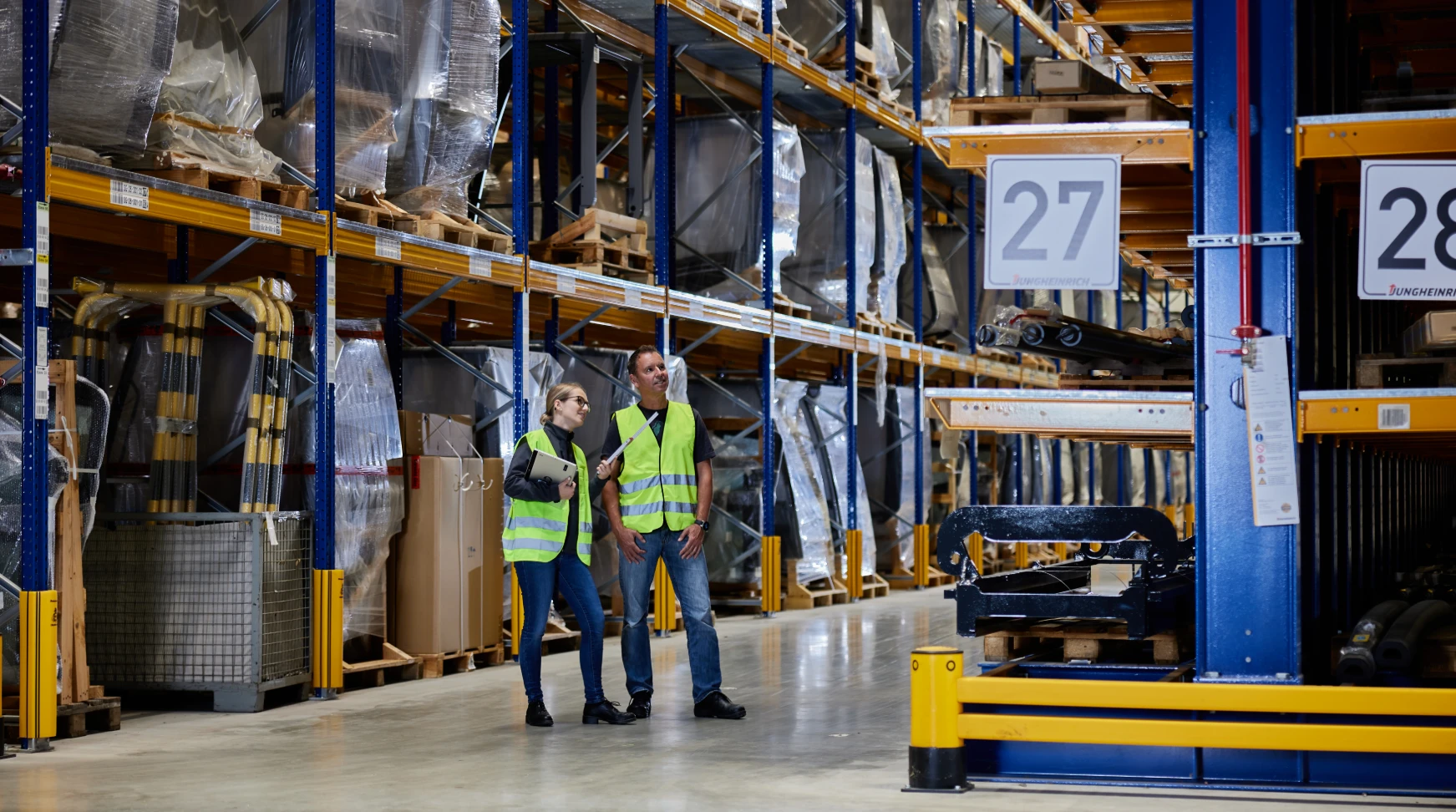
INSPECT. CLASSIFY. RESOLVE.
The case for regular inspection is straightforward: it protects personnel, extends the service life of the storage system, satisfies insurance and compliance requirements, and prevents the unplanned operational disruptions that damaged or condemned racking inevitably causes.
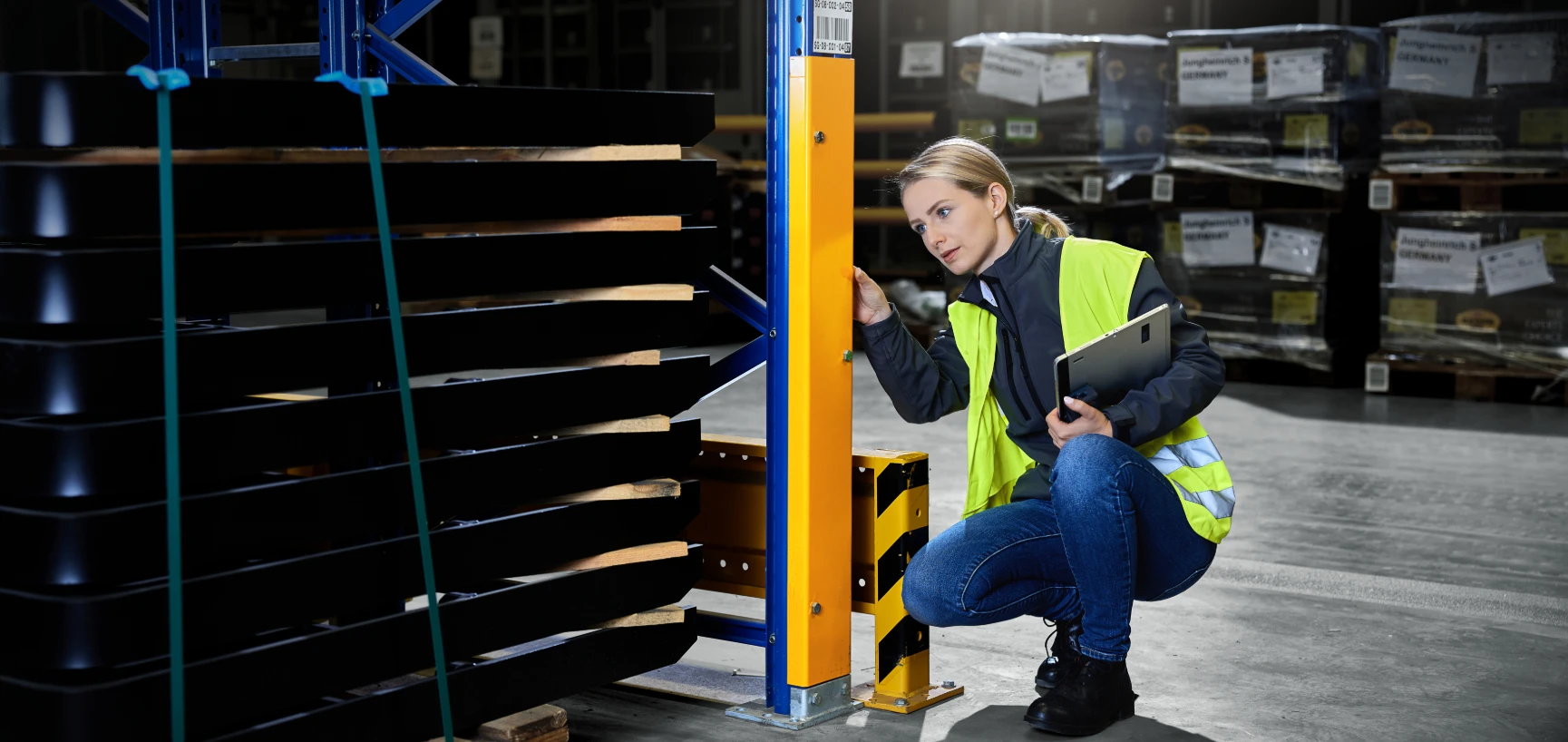
Every inspection covers all critical racking components — frames, beams, connectors, and base plates — alongside pallet loading practices, aisle safety, and clearances. Using precision measurement tools, inspectors assess deflection, deformation, impact damage, load distribution, and overall structural integrity against international standards.
All identified issues are classified using a clear three-tier system — Green, Amber, and Red — providing straightforward guidance on what requires immediate action, ongoing monitoring, or no intervention. Every inspection is carried out by a SARI-certified inspector (SEMA Approved Rack Inspector), ensuring the assessment meets the highest applicable standard for competence and independence.
Following the inspection, a full written report is issued detailing findings, repair recommendations, and practical guidance for improving safety and maintaining system integrity going forward.